[ad_1]
Dry Aging Duration
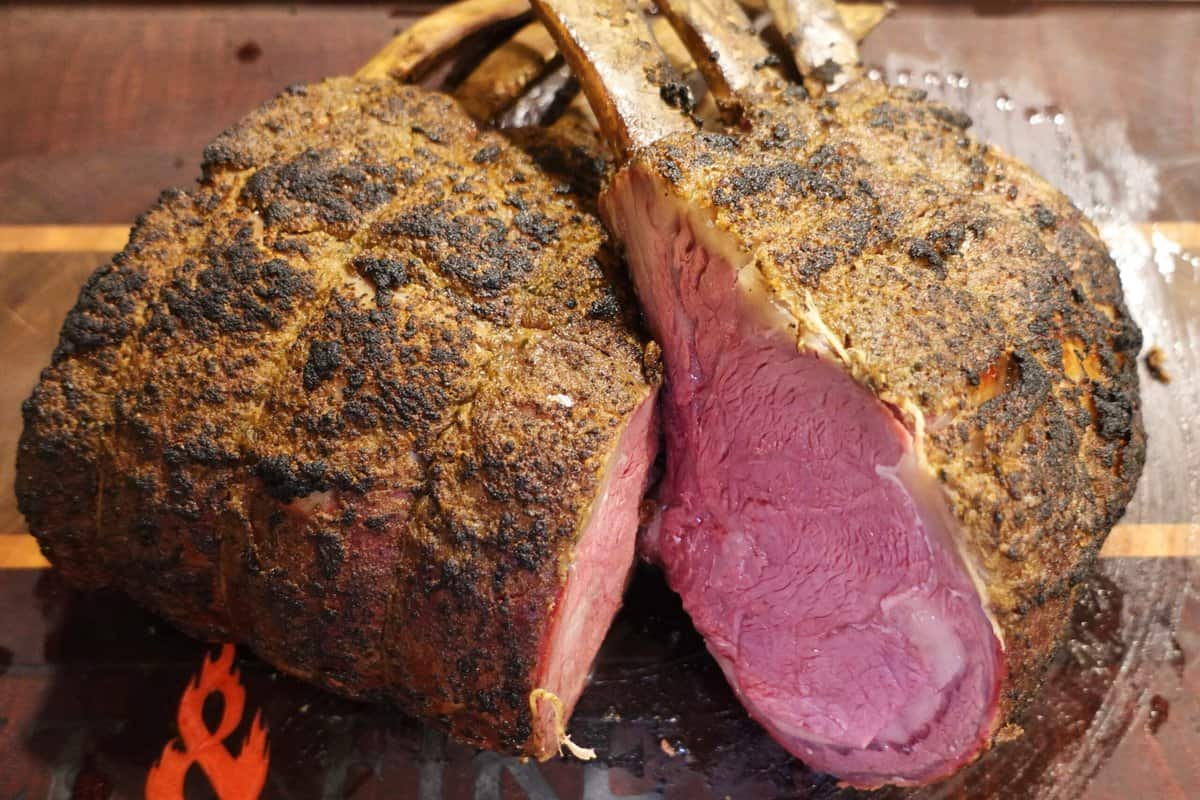
Typically, you need at least 28 days to really start to have an impact on the cut of meat. While there can be some improvement in quality in as little as ten days, if you’re going to take the time, might as well add a few more weeks to it. I have found that 28 – 45 days is an ideal range for dry aging. The flavors you develop are a little more subtle and delicious. However, once you get past 45 days, things can get a little funky. However, there are plenty of people that are into that sort of thing.
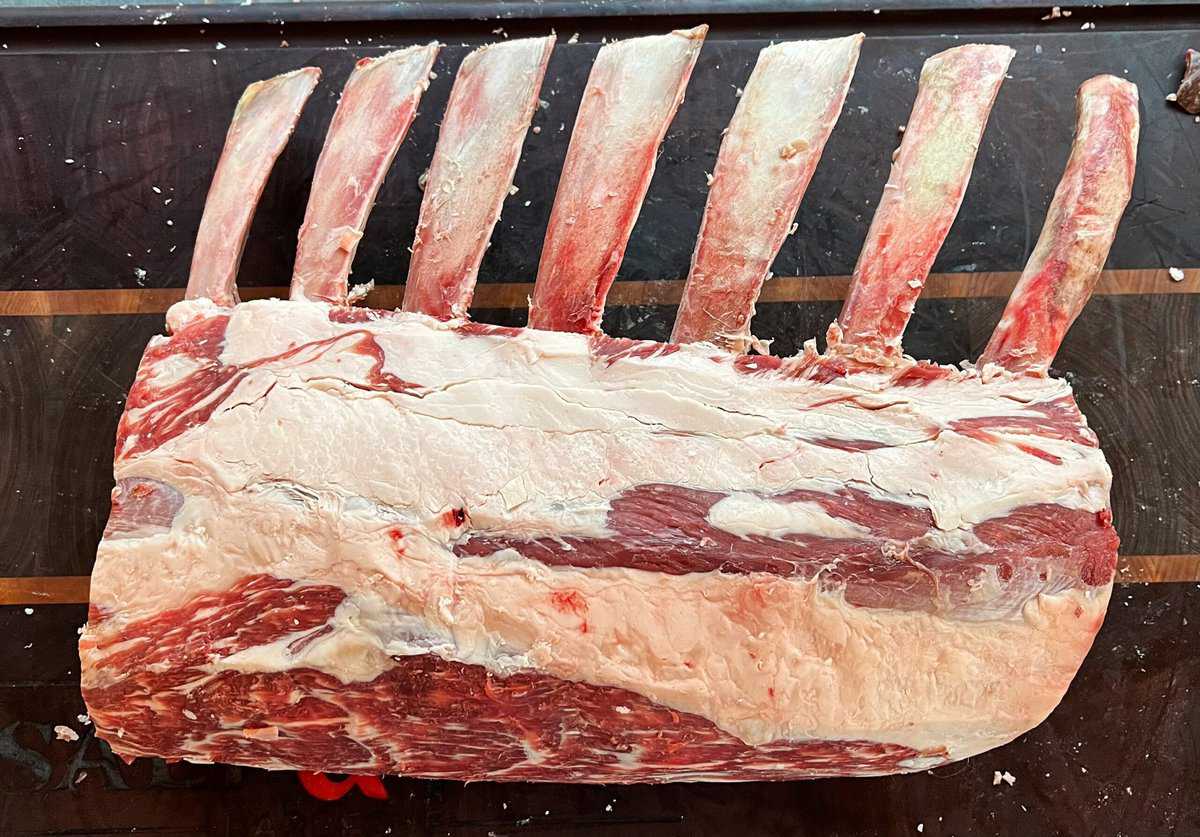
One thing about dry aged beef is that it can lose up to 1/3 of its original weight due to evaporation and then when you have to trim off the inedible deckle that is created during the process, so plan ahead if you are trying to feed a crowd. Furthermore, if you’re asking yourself if its worth it, then I say yes. But if you have to decide between your mortgage payment and a steak, I suggest the mortgage payment.
Roasted Garlic and Horseradish Compound Butter
For this Dry Aged Prime Rib Roast recipe, I used plenty of roasted garlic, Dijon mustard and horseradish and created a compound butter that is absolutely perfect for this cut. I’ve made a lot of compound butters in my day but this recipe is by far my favorite.
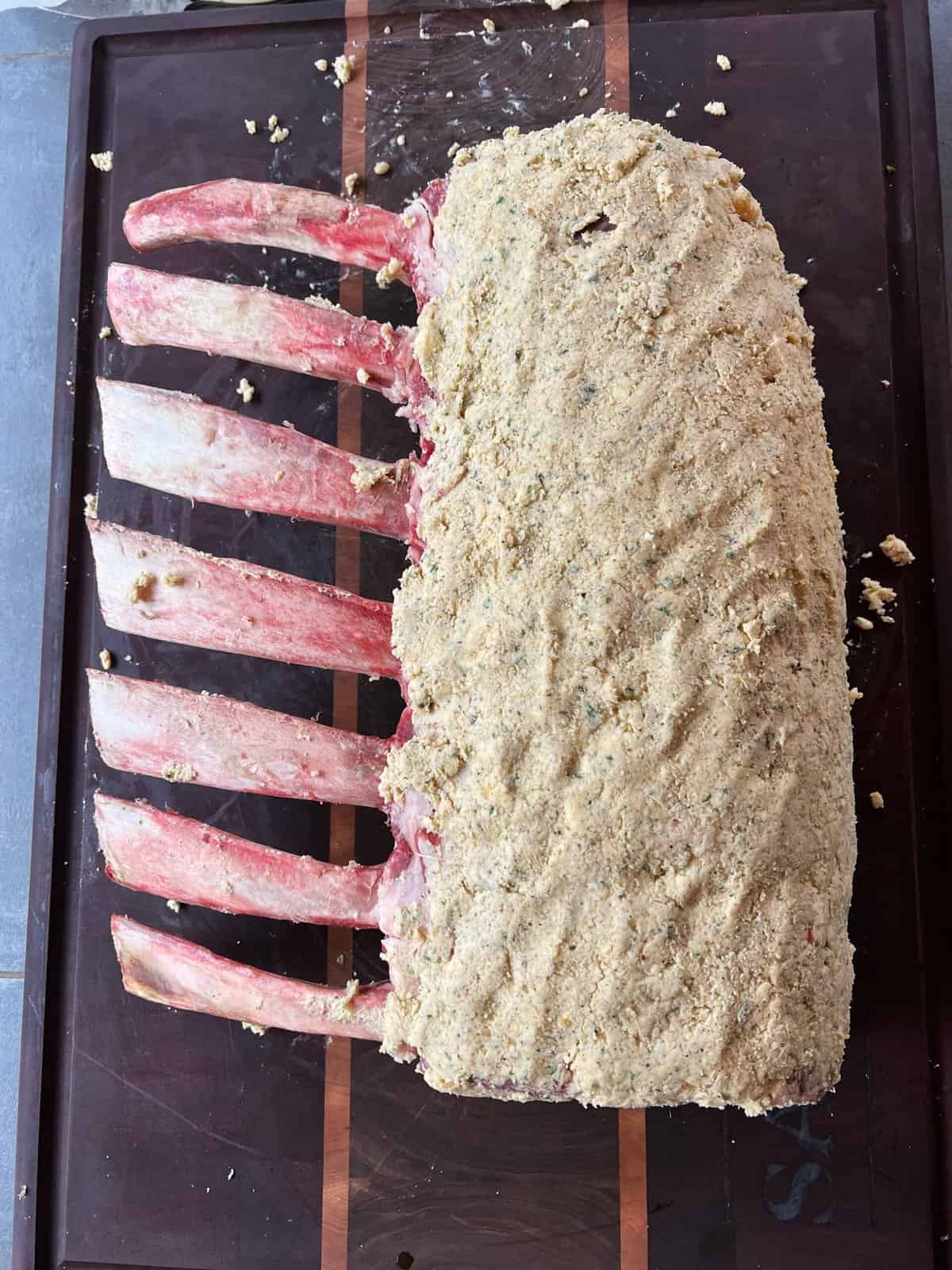
I started by roasting two whole bulbs of garlic. I cut off the top of the bulb to expose the cloves, used about 2 tsp of olive oil, salt and pepper, wrapped tightly in foil and baked at 400 degrees for about 45 minutes. Let cool and you can squish out all of the garlic with ease.
Then, I added the garlic to about 2 cups of softened butter, 2 tablespoons of horseradish, 3 tablespoons of Dijon mustard, ¼ cup fresh chopped parsley, 1 tablespoon each of salt and black pepper. Mix and mash thoroughly to combine.
For more compound butters, check out my Grilled Beef Short Ribs with Chimichurri Butter, Grilled Lobster with Hot Honey Butter and Coffee Crusted Ribeyes with Honey Chili Butter.
[ad_2]
Source link